CARING FOR YOU AND YOUR SMILE

Invisalign Clear
Aligners

What Is Invisalign?

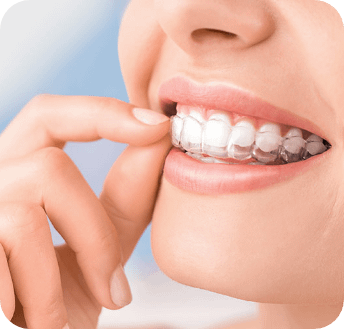
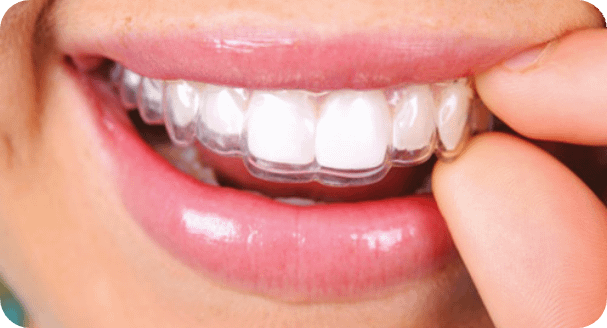
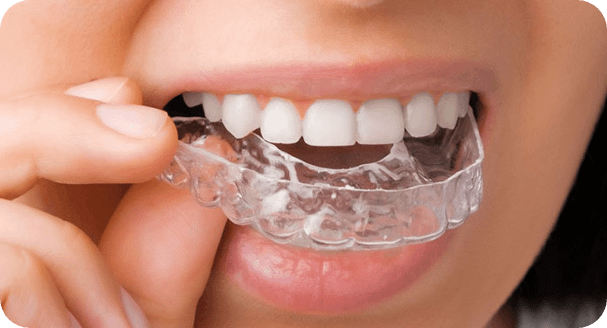
Invisalign is an orthodontic treatment that straightens teeth without the use of metal braces. Invisalign is a series of custom-made clear braces that cover your teeth and gently pull them into the proper position over time.
Video

Causes of Malocclusion

Malocclusion or shifts in the bite can occur in patients of all ages for a variety of reasons. Although you can prevent some of the resulting problems through proper oral health care and regular dental appointments, others require more advanced procedures.

The most common causes of a shifting bite include:

Time

The older you grow, the tighter and smaller your lips become. This change in facial features also puts pressure on your teeth from the outside. Over time, your mouth feels crowded, and changes in dental alignment occur.

Tooth Loss

If you lose one or more teeth, the remaining ones will shift towards the new gap and adversely affect your bite.

Periodontal Disease

Gingivitis refers to inflammation of the tissue around your teeth. When it progresses further and becomes periodontitis, it can cause gum shrinkage and bone loss, increasing the likelihood of tooth loss and misalignment.

Genetics

If you have the condition, your parents, siblings, and other relatives are likely to have it as well. Genetic disorders such as cleft lip or palate also affect your bite by changing your dental structure.

Injury or Trauma

Kids, teens, and young adults are at higher risk of traumatic dental injuries which affect their bite.
How can malocclusion be prevented?

Preventing the condition can be difficult because most cases of malocclusion are largely hereditary.

Parents of young children should limit pacifier and bottle use to help reduce changes in the development of the jaw. Children should also be encouraged to stop sucking their thumbs as young as possible.

Early detection of malocclusion may help decrease the length and severity of the treatment.

5 Reasons To Choose Clear Aligners

The following are five reasons why anyone who wants straighter teeth should use Invisalign clear aligners to do so.

  • They are clear or nearly invisible, which means they are barely noticeable when worn.
  • They are removable, making them convenient. Because Invisalign wearers can remove the clear aligners when eating, brushing, and flossing their teeth, they are an extremely convenient braces option. 
  • They are soft and comfortable. Unlike metal braces that can scrape the inside of one’s mouth, clear aligners do not have any sharp edges.

Who Needs Invisalign Clear Aligner?

Invisalign is suited for adults and teens who want a more radiant and beautiful smile without the visibility of traditional metal braces. If you have gaps between your teeth, or if they are crooked or slightly overlapping, Invisalign can help you achieve the smile of your dreams.

Outcome Of Invisalign Clear Aligners

You can rest assured that Invisalign treatment is permanent and will give you straighter teeth for a lifetime if you follow the orthodontist’s instructions perfectly.

Conditions Invisalign Can Correct

Invisalign can treat the following problems in some individuals, depending on how severe they are:
  • Crooked Teeth
  • Overbite
  • Underbite
  • Crossbite
  • Gaps in Teeth
  • Open Bite
  • Crowded Teeth

Pros & Cons

Pros of Invisalign

Cons of Invisalign

What Are the Benefits of Invisalign Treatment?

Here is a breakdown of the primary benefits of wearing Invisalign braces:
It is worth expanding on the fact that Invisalign aligners are removable for eating and brushing. Metal and other types of braces may limit the kinds of foods that patients can eat; this is not the case with Invisalign. The fact that they are removable also allows for normal brushing and flossing.

Initial Consultation And Preparing Treatment Plan

The first step in the Invisalign process is an initial consultation with the dentist. Your teeth, jaw, mouth, and orthodontic and dental needs will be assessed and you will explain your end goals.

The dentist will make a plan of what can be done with Invisalign. You’ll get the cost, the treatment plan, the timeline, a schedule of appointments, and instructions on how to wear and take care of your Invisalign aligners.

Before And After

Before After
Before After
Before After

During The Invisalign Process

Making the Aligners and Attachments

The dentist uses 3D technology imaging rather than putty impressions to monitor your teeth at the start of treatment and throughout your treatment process.

Dental Office Visits

At each visit, you will receive multiple aligners to last you until your next visit. Your dentist will tell you how long to wear each aligner -- usually one to two weeks -- before throwing it out and putting in the next aligner in the series.

Wearing Your Invisalign Aligners

Whenever you put in a new aligner, expect it to feel snug and fit tightly over your teeth. It's like this as it's built to put pressure on your teeth to make them move.

Post Procedure

Maintain Your Smile

What Possible Complications Can Happen With Invisalign?

FAQ's

1. What Are the Cons of Invisalign Treatment?

There are very few cons when it comes to straightening teeth with Invisalign clear aligners. That said, they may not be suitable for everyone. The aligners may be less effective than some other types of braces for very complex dental issues.

2. How Do I Get Invisalign Braces?

Simply schedule a consultation at any of our three convenient locations. We are proud to offer Invisalign treatment to our patients, as an effective and aesthetic alternative to traditional braces.

3. What Is Involved With Wearing Invisalign Braces?

When you opt for Invisalign treatment, the first step is to create a 3D image of your mouth and jaw. Your orthodontist will then be able to create a personalized plan and a series of aligners that patients will wear throughout their treatment.

4. Is this a new way to straighten teeth?

Dentists or orthodontists have, in the past, successfully used removable appliances for years. But with the application of Invisalign’s 3D computer technology,

5. Will the aligners affect speech?

The vast majority of patients report no effect on speech. However, as with traditional orthodontic appliances, there is an initial adjustment period associated with having something new in the mouth. You may have a slight lisp at first, but you’ll quickly get used to your aligners and should be talking clearly and confidently within a few days.

A Dentist That's Dedicated To Your Long-Term Oral Health.

High-Quality And Affordable Dentistry For Teens, Adults, And The Elderly. For A Healthier Smile, Book Online
Scroll to Top